
Start with the site list.
Locations, project scope, access requirements, and target dates let us assess the program as a whole.
Nationwide coverage
Lume coordinates structured cabling, connected systems, and onsite support across Canada. One point of contact helps your team plan the program while accounting for the realities of each site.
Discuss your site list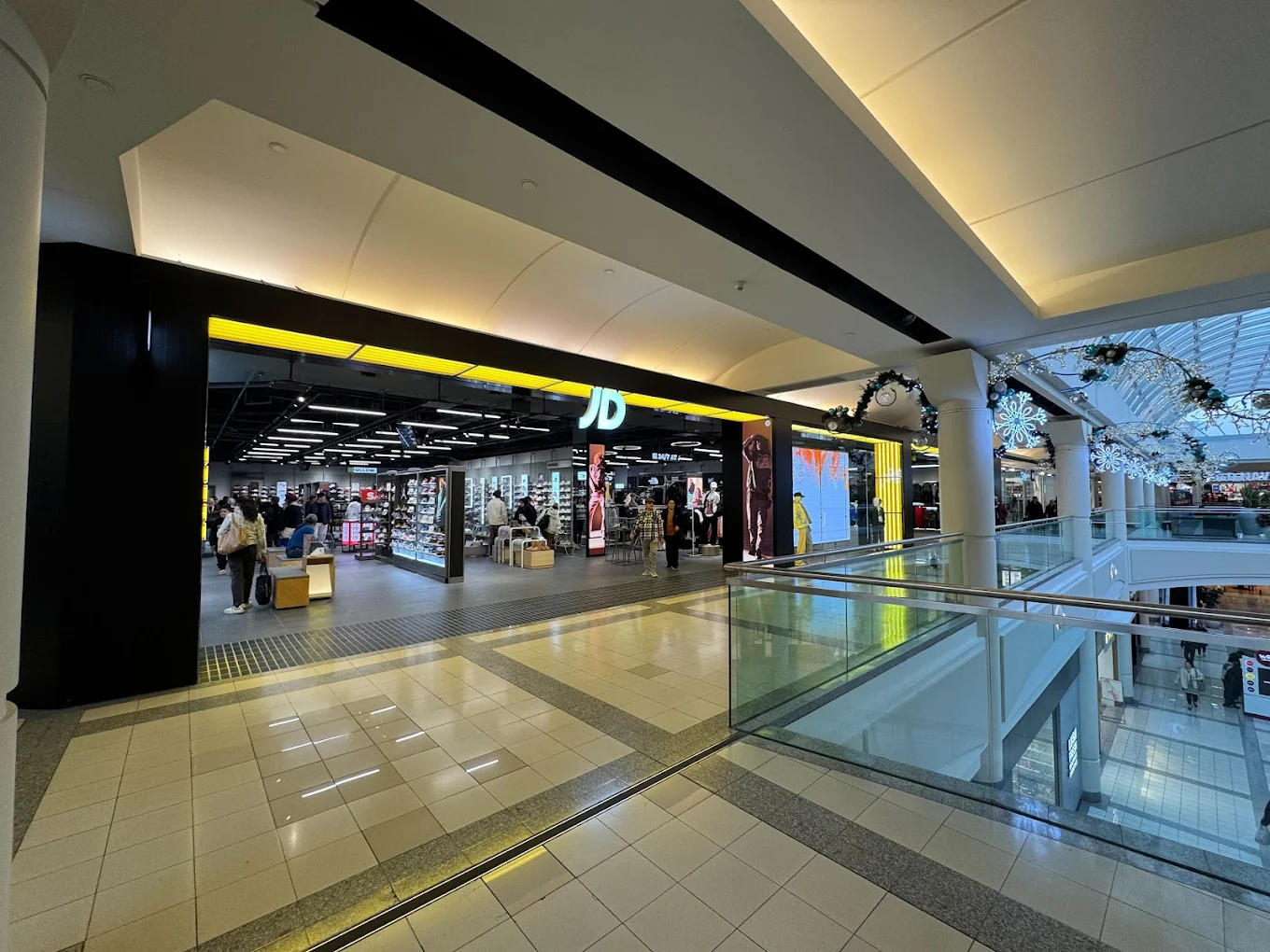
National coordination. Local planning.
A national program needs consistent records and communication. It also needs realistic planning for travel, site access, materials, and working hours. We work through both.
Locations, project scope, access requirements, and target dates let us assess the program as a whole.
Agree the equipment, labels, test requirements, photo records, and reporting format that each location needs.
Confirm resources, travel, materials, permits or specialist requirements, and realistic work windows for each site.
Keep completion, open items, and site records visible across the program so every location has a clear status.

Multi-location work in practice
Direct coordination with New Store Opening and IT teams connects the drawings, materials, installation, testing, and records across store environments.
Explore the projectPlanning coverage
Share the full site list, including locations outside major centres. We confirm availability and scheduling against the work required, local resources, travel, and access conditions before committing to dates.
We can discuss a single visit, a phased rollout, or recurring field support. Response windows and service expectations are agreed for the particular location and scope.
City and province, site contacts, target dates, the work needed, and any shared standards. Existing drawings and equipment lists are helpful, but you can start with a preliminary site list.
Let’s work through it
An upcoming project, a recurring problem, or a plan that needs a second set of eyes. Start with what you know. We’ll help clarify the next step.