
Digital signage
Make the display work as well as it looks.
Display mounting, media-player installation, and network connections coordinated around your space. One screen or a multi-site rollout, with clean cable routes and practical support records.
Discuss your project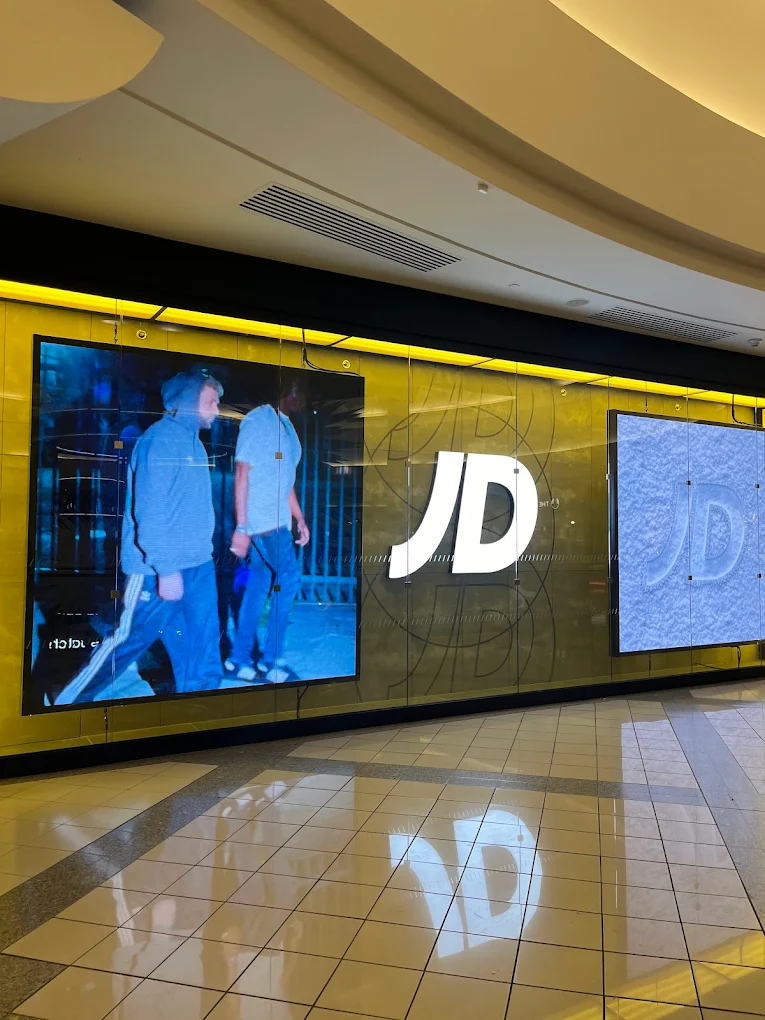
In plain English
The installation behind the content.
Digital signage brings changing content to a physical screen. Lume handles the physical installation and supporting connections, coordinating with your content and IT teams so the display is ready to use.
When to bring us in
- New storefront, menu, wayfinding, or lobby displays
- A screen refresh across several locations
- Visible cables, difficult access, or unreliable playback
A detail that matters
Plan for the next service visit.
Mounting support, ventilation, player access, data connections, and power coordination matter after opening day. A concealed installation still needs a practical way to service the equipment.
What Lume does
Coordinate the physical install and the infrastructure behind it
Display and mounting coordination
We support mounting plans, display locations, surface conditions, and installation details so the finished system looks intentional and is easier to maintain.
Power, data, and player readiness
Digital signage depends on the supporting infrastructure. We coordinate power, cabling, patching, and media-player connectivity so devices come online cleanly.
Rollouts, refreshes, and remediation
We support new programs, retrofit work, single-site refreshes, and multi-site signage deployments where consistency and closeout matter just as much as the screen itself.
How delivery works
Planned around opening dates, refresh work, and occupied spaces
Signage projects often involve more coordination than people expect. We help keep the install aligned with site readiness, supporting trades, and the operational timing that matters to the client.
Confirm the site conditions
We review the display locations, surface conditions, power/data constraints, access windows, and any opening or refresh timeline that affects installation.
Coordinate the dependencies
Mounting, electrical, data, network, and player needs are aligned up front so the rollout is not stalled by missing pieces at go-live.
Install cleanly around operations
We schedule around occupied spaces, customers, staff, and site-specific access requirements so the work stays manageable for the client team.
Document what was delivered
We close out with the key notes, photos, and records needed to support the signage environment after launch.
What you receive
A rollout record your team can actually use later
The best signage installs are not only visually clean. They are also documented well enough that future changes, replacements, and support calls start with context instead of guesswork.
- Display, player, and connectivity notes that match what is installed on site.
- Photos of key mounting conditions, finished screens, and supporting infrastructure where useful.
- Records that help future service teams understand power, data, and media-player dependencies.
- A more organized handoff for openings, refreshes, and multi-site rollout programs.
Technical depth
The details that usually decide whether signage feels reliable
Mounting and surface conditions
Digital signage success depends on more than screen size. Mount location, wall conditions, sightlines, and access for service all affect long-term reliability.
Power, data, and player coordination
Displays, players, and network paths all need to line up. We help keep those pieces coordinated so the system comes online with fewer last-minute surprises.
Uptime dependencies
Screen uptime depends on the broader environment, including cabling, switching, player connectivity, and support clarity. We document those dependencies so operations teams are not left guessing.
Related services
Other scopes that often travel with signage work
Network Infrastructure
Cabling, pathways, and patching that keep signage systems easier to support.
WiFi
Wireless readiness where signage players or customer-facing environments depend on reliable connectivity.
Onsite Support
Field service and remediation when a rollout extends into day-two support.
CCTV
Common in retail and public-facing sites where signage and security infrastructure move together.
Digital signage FAQ
Answers before the rollout begins
Do you handle only the display install, or the supporting infrastructure too?
We support the underlying infrastructure as well. That includes the cabling, connectivity coordination, and site planning needed to make the signage environment work as a complete system.
Can you support multi-site signage rollouts?
Yes. Consistency is one of the main reasons clients bring us into signage work. We focus on repeatable delivery, site coordination, and closeout that stays usable across locations.
Can you work around store hours, guests, or occupied office space?
Yes. Signage work often happens in live environments. We plan access windows, work areas, and staging so the install is easier on the site team.
What usually causes signage downtime after launch?
It is often a coordination issue more than a hardware issue. Power, data, player connectivity, patching, and support documentation all affect how reliable the finished system feels.
What does a good signage handoff look like?
A practical record of what was installed, where the supporting hardware lives, and how the displays, players, and network connections fit together. That helps future service calls move faster.
In the field / JD Sports
Infrastructure behind new store openings.
Lume works directly with JD Sports New Store Opening and IT teams, coordinating drawings, materials, installation, testing, and handoff.
Let’s work through it
Let’s talk about digital signage.
An upcoming project, a recurring problem, or a plan that needs a second set of eyes. Start with what you know. We’ll help clarify the next step.