
Alarm systems
A clear plan for every device, zone, and handoff.
Commercial alarm infrastructure, device cabling, and installation coordination. We align site requirements, system responsibilities, and documentation with the appropriate licensed partners.
Discuss your project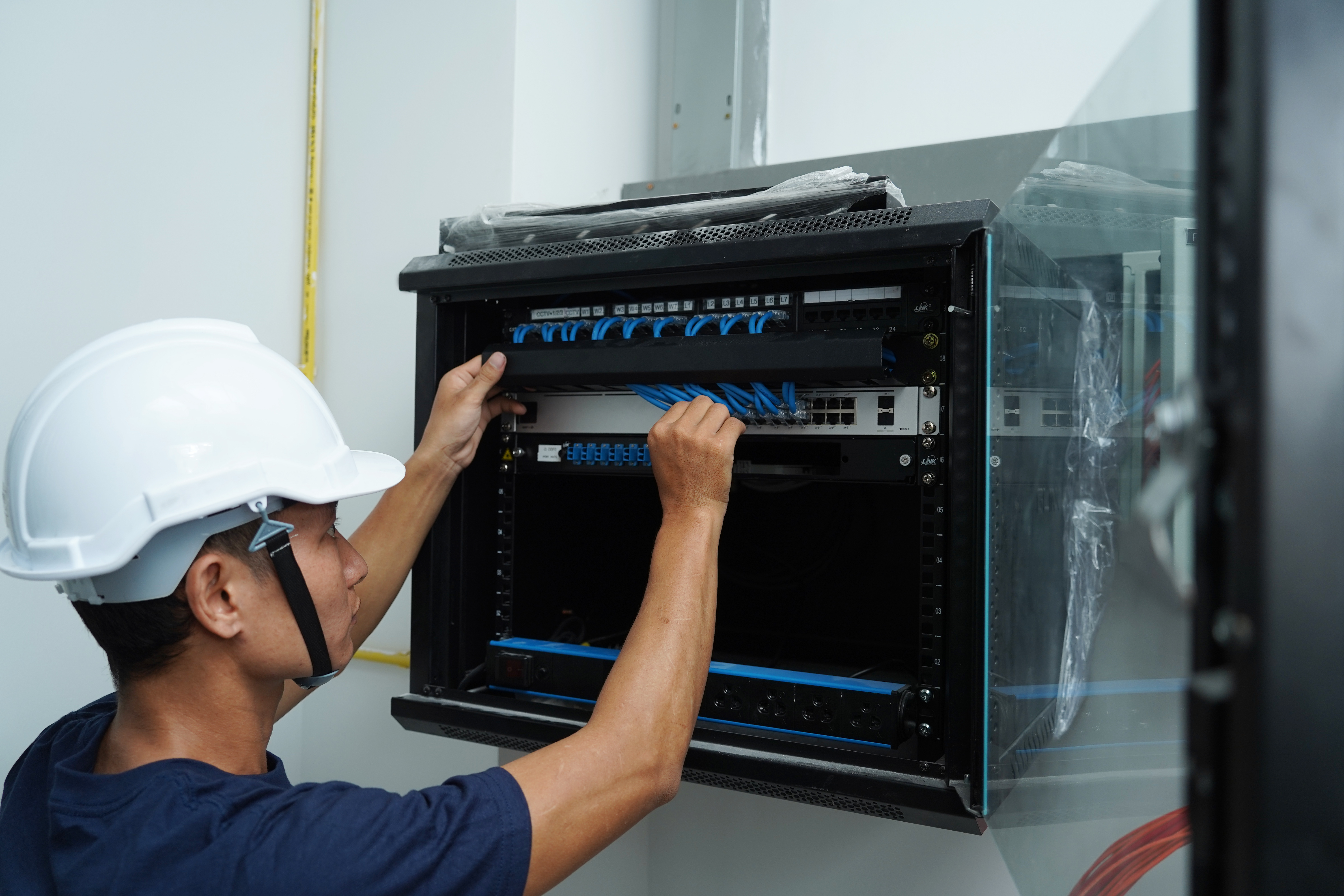
In plain English
Know what is connected—and who responds.
An alarm system connects detection devices to a control panel and, where arranged, a monitoring service. The installation, monitoring agreement, and ongoing service responsibilities need to be clearly defined.
When to bring us in
- A commercial fit-out or changing floor plan
- Additional detection devices or existing wiring issues
- An upgrade that needs coordination with a monitoring provider
A detail that matters
Intrusion and life-safety scopes are distinct.
An intrusion alarm scope does not automatically include fire alarm verification or monitoring. We clarify specialist responsibilities and required approvals with the project team before work begins.
What Lume does
Plan the infrastructure, coordinate licensed partners, and document the finished state
Intrusion detection design and install
We help plan zone layouts, device schedules, riser paths, and panel terminations so the installed environment matches the site requirements and operating procedures.
Life-safety infrastructure coordination
Where alarm scope intersects with broader life-safety or monitoring requirements, we coordinate the low-voltage infrastructure so trades are not working in silos.
Documentation and end-user training
We record device maps, labeling, test results, and coordination notes so the finished environment is easier for client teams and licensed partners to support.
How delivery works
Delivery planning that respects live sites and licensed responsibilities
Alarm changes affect access, monitoring, and operations quickly. We focus on the supporting details, partner coordination, rollout sequencing, and closeout notes needed to reduce confusion before, during, and after turnover.
Review the site and compliance context
We start with the actual building conditions, access rules, hours of operation, and any licensed-party requirements that affect how alarm infrastructure should be delivered.
Align design, partners, and sequencing
Device placement, cabling paths, panel locations, power, and partner responsibilities are coordinated before install day so the project is not held together at the last minute.
Execute around live operations
We schedule the work around occupied sites, service windows, and monitoring cutovers so the alarm change is easier to absorb without unnecessary disruption.
Test, document, and hand off
Closeout captures soak periods, signal checks, labeling, and the practical notes needed for monitoring handoff and future service work.
What you receive
A better record of what was installed and who owns what next
The handoff should help your team and licensed partners support the environment, not force them to reconstruct it later. That is why we keep the rollout records practical, labeled, and readable.
- Documented device maps, cable schedules, and labeling schemes that match what is in the field.
- Photos of panels, terminations, and key device placements for future service calls.
- Test results and soak or verification logs you can share with stakeholders and licensed partners.
- Coordination notes that clarify what Lume delivered and what the licensed partner owns after turnover.
Technical depth
The supporting details that keep alarm deployments supportable
ULC and ULC-S561 coordination with licensed partners
Where a project requires ULC-listed monitoring or ULC-S561 verification, Lume does not perform that licensed work itself. We coordinate with the appropriate licensed partners on scope boundaries, device placement, cabling, panel terminations, and the documentation those partners need for listing and monitoring acceptance.
Panel, power, and pathway readiness
Alarm systems depend on clean terminations, managed pathways, and reliable power. We help verify the supporting infrastructure so panels, communicators, and field devices are installed on a supportable foundation.
Monitoring handoff and support records
A good alarm rollout leaves behind practical notes, not just a completed install. Clear records on zones, devices, labeling, and partner contacts help future troubleshooting and service response move faster.
Related services
Other scopes that often move with alarm work
CCTV
Camera coverage and security infrastructure that often moves with alarm scope on the same site.
Network Infrastructure
Structured cabling, racks, and pathways that keep alarm and security systems supportable.
Onsite Support
Field help for remediation, device changes, and day-two service after initial deployment.
WiFi
Wireless and broader connectivity work where alarm projects overlap with site upgrades.
Alarm systems FAQ
Answers before the install window arrives
Does Lume hold alarm or monitoring licenses?
No. Lume delivers the low-voltage infrastructure side of alarm projects. Where ULC listing, ULC-S561 verification, or licensed monitoring is required, we coordinate with the appropriate licensed partners and keep scope boundaries clear in the handoff.
What does licensed-partner coordination actually include?
It includes aligning on who installs what, when devices and panels need to be ready for partner testing, what documentation the partner needs, and how monitoring acceptance fits into the broader project schedule.
Can you work around an occupied store, office, or active site?
Yes. Alarm work often has to happen around business hours, after-hours windows, tenant access rules, or retail opening schedules. We plan the work with those constraints in mind.
Do you handle cabling and panel terminations, or only coordination?
We handle the infrastructure side, including cabling, device placement support, panel terminations, labeling, and the documentation that makes the installed environment supportable. Licensed testing, listing, and monitoring acceptance stay with the licensed partner where required.
What does a good alarm closeout include?
It should capture device locations, zone and labeling records, test and soak results, photos where useful, and clear notes on what was delivered by Lume versus what the licensed partner accepted for monitoring.
In the field / JD Sports
Infrastructure behind new store openings.
Lume works directly with JD Sports New Store Opening and IT teams, coordinating drawings, materials, installation, testing, and handoff.
Let’s work through it
Let’s talk about alarm systems.
An upcoming project, a recurring problem, or a plan that needs a second set of eyes. Start with what you know. We’ll help clarify the next step.